
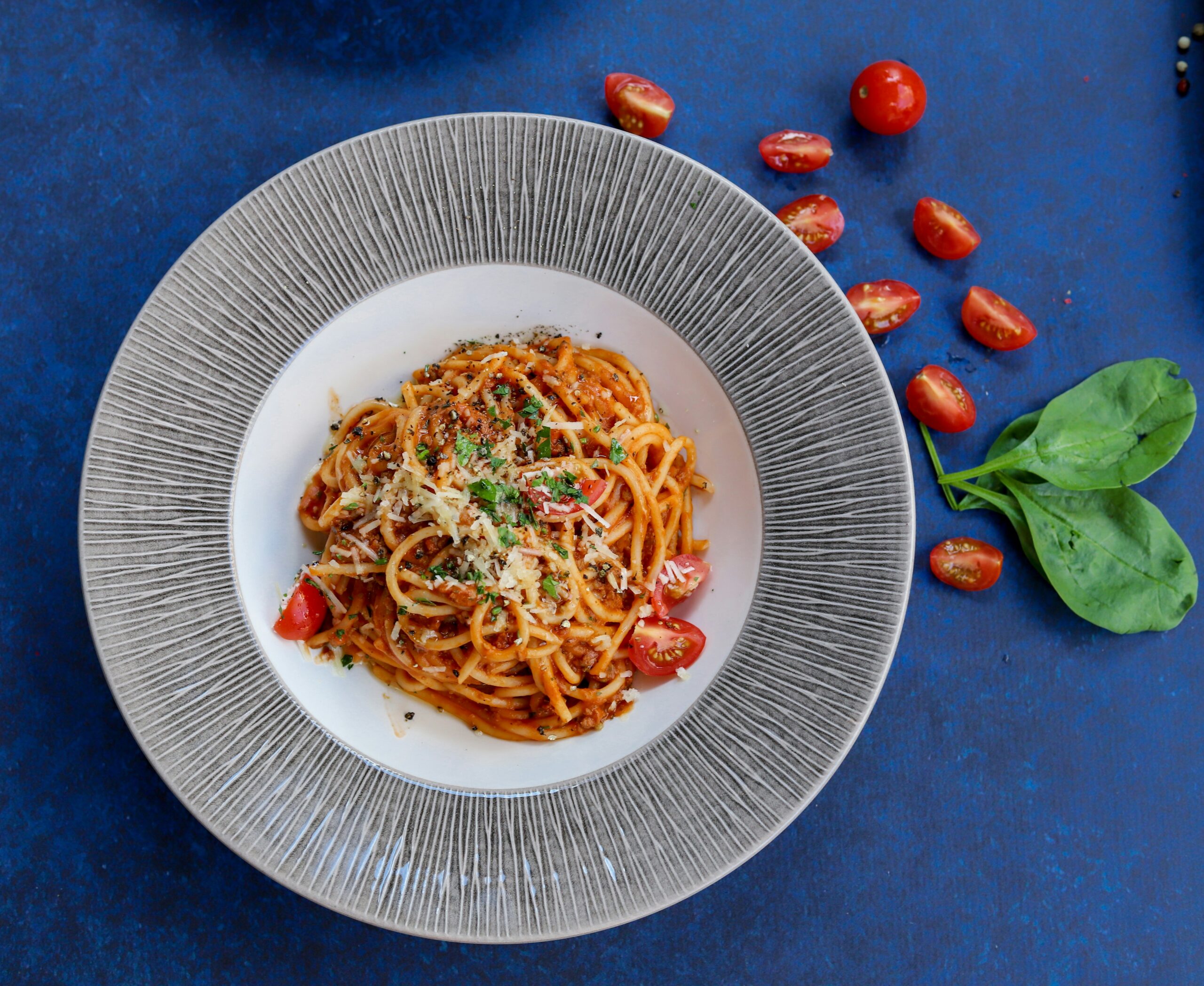
Catering menu ideas are everywhere. Pinterest boards, wedding blogs, corporate event guides — every platform has a list. Most of them tell you what to serve without explaining why it works or how to build dishes into a menu that actually flows from start to finish.
This guide is different. It covers what makes a catering menu genuinely memorable, which dishes earn their place at any event, how to structure courses for different occasions, and what the most common mistakes hosts make before they ever serve the first bite.
1. What Makes a Catering Menu Idea Actually Work
A catering menu that works does 3 things at once. It appeals to every type of guest at the table. It fits the format and tone of the event. And it delivers food that tastes like someone made it with genuine care rather than assembled it for convenience.
Most catering menus fail on the third point. The food arrives, it is fine, and nobody talks about it afterward. That outcome is not random. It is the result of choices made during the planning process that prioritized ease over quality.
According to the National Restaurant Association, scratch-made food is the single most cited factor in memorable catering experiences. Guests cannot always articulate why one event meal felt different from another but when the food was genuinely made from fresh ingredients that morning the difference registers immediately.
Here is what separates a menu guests remember from one they forget:
| Forgettable Catering Menu | Memorable Catering Menu |
|---|---|
| Premade or reheated food | Made from scratch the day of the event |
| One-size-fits-all dishes | Built around the specific guests attending |
| No course progression | Natural flow from starter through dessert |
| Generic proteins with no identity | Dishes rooted in a recognizable culinary tradition |
| No dietary flexibility | Gluten-free, vegetarian, and allergy options built in |
| Food guests eat and move past | Food guests photograph and describe in detail later |
The gap between those two columns is not primarily about budget. It is about the decisions made before anyone picks up a fork.
2. Why the Starter Course Is the Most Underestimated Decision You Will Make
Most hosts spend the majority of their catering energy on the main course. The starter is often treated as something to keep guests occupied while the real food is being prepared. That is a mistake.
The starter course sets the emotional tone of the entire meal. Guests arrive, they see what is on the table, and within 30 seconds they have formed an impression of what kind of event this is going to be. A thoughtfully assembled antipasto spread with fresh cheeses, cured meats, seasonal vegetables, and bruschetta communicates something completely different than a vegetable platter with store-bought dip.
Italian antipasto works particularly well as a catering starter because it is naturally abundant, visually striking, and requires no service staff to manage once it is on the table. Guests serve themselves, the conversation starts, and the event begins before the first course is formally served.
Here is what a well-built antipasto spread typically includes and why each component earns its place:
| Component | What It Contributes to the Spread |
|---|---|
| Cured meats (prosciutto, salami, capicola) | Depth of flavor, protein, universal appeal |
| Fresh cheeses (mozzarella, provolone, asiago) | Creamy contrast, pairs with everything else on the board |
| Marinated vegetables (peppers, artichokes, olives) | Acidity, color, something for guests who avoid meat |
| Bruschetta with fresh tomato and basil | The item most guests reach for first — familiar and impressive |
| Accompaniments (honey, fig jam, crackers) | Elevates the board from good to genuinely memorable |
The starter is not a placeholder. It is the first impression your event makes through food.
3. What to Know About Serving Pasta at a Catered Event
Pasta is one of the most requested catering food ideas for any event type. It is also one of the most mishandled. The difference between pasta that guests rave about and pasta that sits heavily on the plate comes down almost entirely to how it was made and when.
Scratch-made pasta has a texture, flavor, and ability to hold sauce that dried commercial pasta simply does not. When rigatoni is made from flour and eggs that morning and arrives in a wide ceramic bowl with a sauce that has been building flavor for hours, the dish is genuinely different from the same visual presented with box pasta and jarred sauce. Every guest at the table can taste that difference even if they cannot name it.
According to research by the James Beard Foundation, the quality of pasta preparation is one of the clearest markers of overall kitchen quality at any catered event. Guests who experienced scratch-made pasta at catered events rated the overall food quality significantly higher than guests who received commercially prepared pasta.
Here is how to think about pasta service format for different event types:
| Event Type | Recommended Pasta Format | Why It Works |
|---|---|---|
| Wedding reception | Family style in wide ceramic bowls at each table | Creates abundance and conversation, guests serve each other |
| Corporate lunch | Individual plated portion or light buffet | Manageable, professional, no mess |
| Graduation party | Pasta bar station with sauce choices | Interactive, fun, accommodates every preference |
| Private dinner under 40 guests | Plated individual course | Feels intentional and occasion-worthy |
| Large family reunion | Buffet with 2 pasta options | Scales easily, reduces service complexity |
The format matters but it matters less than the preparation. Scratch-made pasta served buffet style is better than commercial pasta served family style. Start with how the food is made before deciding how it is served.
4. How to Choose a Main Course That Works for Every Guest
The main course is where most catering menus either earn their reputation or lose it. The challenge is selecting something that satisfies guests with different preferences, dietary needs, and appetites without defaulting to the blandest possible option.
The most common mistake hosts make when choosing a main course catering idea is selecting a dish they personally love without considering the full range of guests attending. A bold lamb preparation might be exactly what the host wants but if a third of the guest list does not eat lamb or finds the flavor too strong, the main course has already failed before the plates arrive.
The safest and most effective approach to main course catering ideas is to choose dishes that are flavorful without being polarizing, visually impressive without requiring architectural plating, and substantial enough to satisfy guests who ate lightly at the starter without overwhelming those who did not.
Chicken masala checks all of those requirements consistently across event types. It is rich in flavor from the spice blend and cream sauce without being heavy. It pairs naturally with pasta, fresh bread, and roasted vegetables. It fills a room with an aroma that registers before the pan arrives at the table. And it scales from 25 guests to 200 without losing quality or consistency.
Here is how to evaluate any main course catering idea before committing to it:
| Evaluation Question | What the Answer Tells You |
|---|---|
| Does it work for guests who do not eat red meat? | Important for weddings and large mixed groups |
| Does it hold well during service without drying out or breaking down? | Critical for buffet and family style formats |
| Does it pair naturally with the other courses on the menu? | Prevents the meal from feeling disjointed |
| Can it be adapted for dietary restrictions without a separate dish? | Reduces complexity and cost |
| Does it look impressive when it arrives at the table? | The visual moment of arrival matters to guest experience |
A main course that answers yes to all 5 of those questions is a main course worth building the rest of the menu around.
5. Why the Sides and Bread Matter More Than Most Hosts Realize
Sides are where most catering menus quietly reveal their level of care. The main course gets the attention. The sides tell you whether the kitchen is actually paying attention to the whole plate.
Roasted seasonal vegetables and freshly baked bread are the two sides that most consistently elevate an event catering menu. Neither is complicated. Both require genuine effort to do right. And both communicate something important to guests about the quality of the meal they are eating.
Roasted vegetables work best when they reflect the actual season. In summer that means zucchini, eggplant, and peppers roasted with olive oil and garlic until the edges caramelize. In fall it means root vegetables and squash roasted with herbs until they are soft and slightly sweet. The difference between in-season roasted vegetables and out-of-season ones is immediately obvious in both flavor and texture.
Fresh bread is perhaps the most underestimated element of any catering menu idea. Bread that arrives at the table warm and was baked that morning changes the entire experience of the meal. It is the item guests reach for between courses. It is what they use to finish the sauce on their plate. It is often the last thing they eat before dessert. Bread from a bag that was warmed in an oven cannot replicate that experience and guests notice even when they do not consciously register why.
6. The Dessert Decision That Determines How Guests Remember the Night
The last thing guests eat is the last thing they remember. That is not a theory. It is a well-documented feature of how memory works — a phenomenon psychologists call the recency effect. In a catering context it means the dessert course carries disproportionate weight in how guests evaluate the entire meal.
According to a survey by The Knot, dessert quality is one of the top 3 most memorable food moments at any catered event. For events where the dessert was genuinely impressive, guests were significantly more likely to describe the overall catering positively regardless of how they rated the other courses.
For Italian-focused catering menus, tiramisu and cannoli are the two desserts that deliver consistently across every event type and guest demographic. Both are made in house, both are visually distinctive, and both are genuinely different from the standard sheet cake or cookie tray that ends most catered events without making any impression.
Here is how to deploy dessert across different event formats:
| Event Type | Recommended Dessert Format | Why It Works |
|---|---|---|
| Wedding reception | Shared tiramisu platters at each table plus a late night cannoli station | Platters create the communal ending, station creates a memorable moment |
| Corporate event | Individual plated cannoli with espresso | Elegant, self-contained, no mess during a professional setting |
| Graduation party | Shared dessert trays passed through the room | Casual and generous, works well with a younger crowd |
| Private dinner | Tiramisu plated individually or served family style | Feels intentional and special for a smaller, intimate group |
The late night cannoli station specifically has become one of the most photographed moments at catered events. Guests who encounter cannoli filled to order at a station after dinner service are looking at something genuinely unusual — and unusual ends the night on a note that gets remembered.
7. How to Build a Complete Catering Menu From Start to Finish
Understanding individual catering menu ideas is useful. Knowing how to assemble them into a coherent progression is what separates a memorable event meal from a collection of good dishes that do not add up to anything.
A well-built catering menu moves through courses in a way that paces the event, builds appetite rather than depleting it, and arrives at the dessert moment with guests who are satisfied but not overwhelmed. Here is how that structure looks for 3 common event types:
| Course | Wedding Reception | Corporate Lunch | Graduation Party |
|---|---|---|---|
| Starter | Full antipasto board during cocktail hour | Light antipasto display at the table | Bruschetta and antipasto board |
| First Course | Handmade pasta family style | Pasta with choice of sauce | Pasta bar station |
| Main Course | Chicken masala plus one additional protein | Chicken masala | Chicken masala |
| Sides | Roasted seasonal vegetables and fresh bread | Roasted vegetables and bread | Roasted vegetables and bread |
| Dessert | Tiramisu platters plus late night cannoli station | Individual cannoli | Shared tiramisu and cannoli trays |
| Service Format | Family style dinner | Buffet or light plated | Buffet or food stations |
The most important principle when building a catering menu from scratch is to work backwards from your guests. Start with who is coming, what they like, what dietary needs need to be accommodated, and how long the event will run. The right menu follows naturally from those answers. The wrong menu is built from what the caterer wants to serve rather than what the guests actually need.
FAQ: Catering Menu Ideas
What are the best catering menu ideas for a large event?
The best catering menu ideas for large events combine wide appeal with practical service at scale. A menu built around an antipasto starter, a pasta course, a crowd-pleasing main like chicken masala, roasted seasonal vegetables, fresh bread, and a shared dessert of tiramisu or cannoli works for virtually every guest demographic. Family style or buffet service works best for groups over 75 because it reduces staffing complexity without compromising food quality.
What catering food ideas work for both weddings and corporate events?
Italian food is the most versatile option across both settings because it is familiar enough for every guest and distinctive enough to feel intentional. Handmade pasta, chicken masala, antipasto spreads, and Italian desserts translate naturally between a formal wedding reception and a corporate luncheon. The service format changes — family style for weddings, plated or buffet for corporate — but the dishes perform equally well in both contexts.
How do I build catering menu ideas for a small party of 20 to 40 guests?
Smaller events benefit from a focused 3 to 4 course menu rather than an overwhelming spread. An antipasto board, a shared pasta course, a single well-executed main, and a dessert of tiramisu or cannoli gives every guest a complete and satisfying experience without overcomplicating the kitchen or the service. The smaller the guest count the more you can invest in quality per dish rather than volume.
What Italian dishes perform best as catering menu ideas?
The Italian dishes that consistently earn the strongest guest responses at catered events are antipasto spreads, scratch-made pasta in family style or station format, chicken masala, roasted seasonal vegetables, freshly baked Italian bread, tiramisu, and cannoli. These dishes work because they were designed for shared service, they accommodate dietary restrictions naturally, and they arrive at the table looking as impressive as they taste.
How far in advance should I finalize my catering menu?
? For weddings and large events, finalize your catering menu at least 6 to 9 months in advance. This allows time for a tasting session, menu revisions, and any dietary accommodation planning. For corporate events and private parties, 6 to 8 weeks is generally sufficient. The earlier you finalize the menu the more time your caterer has to source the right ingredients and plan the preparation correctly.
Planning an Italian Catering Menu in Bradford PA?
If you are putting together an event in McKean County or the surrounding region and want help building a menu from scratch, Curcio’s Italian Catering is worth a conversation. Every menu starts with a consultation about your guests and your event — not with a preset list handed to you before anyone asks a single question.